October 2, 2026
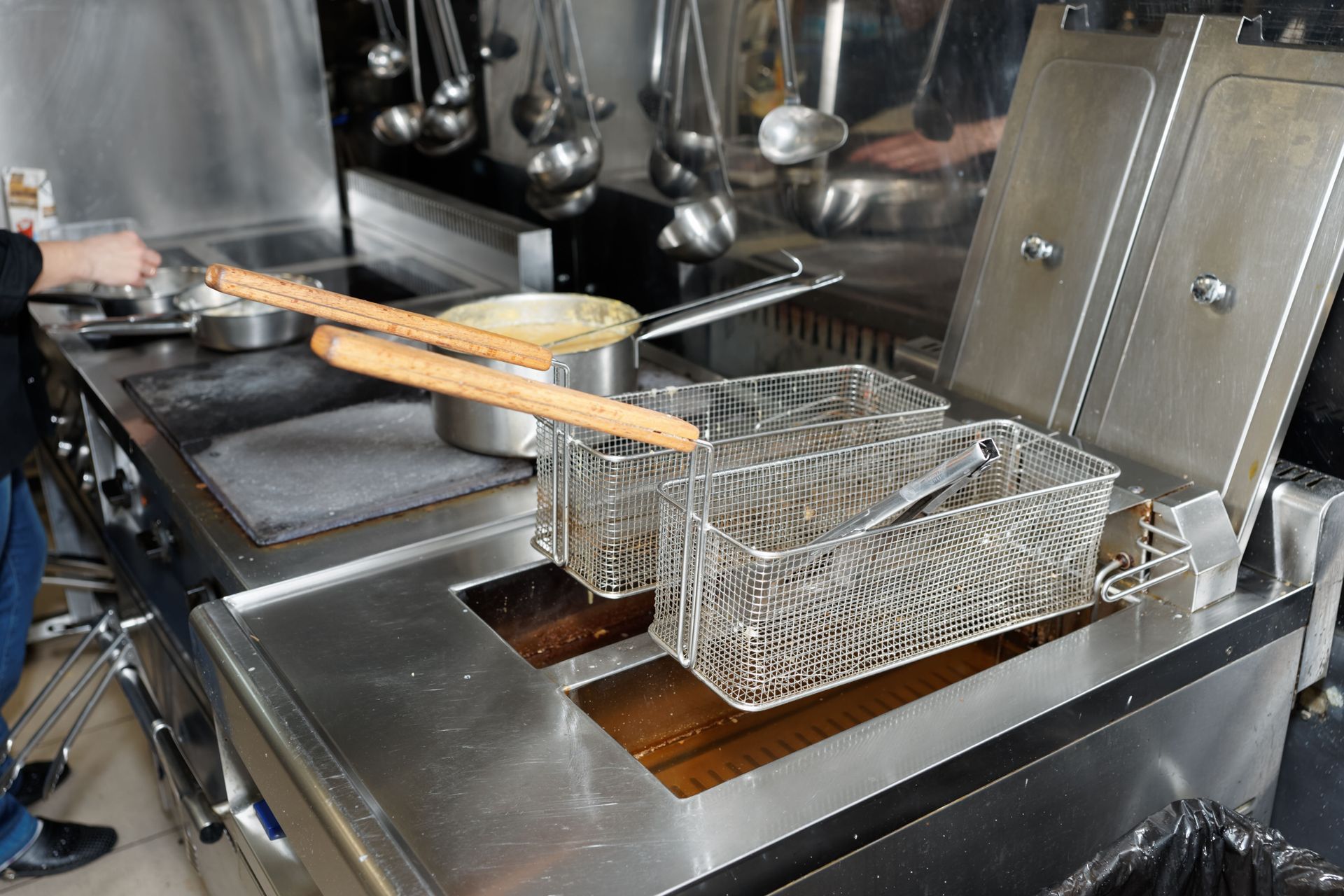
Used cooking oil is a routine byproduct in restaurants, cafeterias, food service operations, and many commercial kitchens. Although it may seem like a simple waste material, the way it is handled after use can have significant environmental, operational, and financial consequences. Pouring oil down drains, storing it improperly, or sending it to landfills can create avoidable problems for plumbing systems, waste management operations, and local waterways. Cooking oil recycling provides a more responsible way to manage this material by collecting it for processing and potential reuse in other applications. For businesses that generate large amounts of oil, establishing a consistent collection process can also make kitchens cleaner, safer, and easier to manage. Understanding why proper oil recovery matters can help business owners make better decisions about handling one of the most common forms of food service waste.
Protecting Plumbing and Sewer Systems
One of the most important reasons to recycle used cooking oil is to keep it out of drains and sewer lines. Liquid oil may seem harmless when it is warm, but it can cool, thicken, and combine with other debris inside pipes. Over time, this buildup can restrict water flow, contribute to clogs, and create backups that are difficult and expensive to address. Commercial kitchens that use large quantities of oil can face especially serious plumbing problems if disposal procedures are inconsistent.
Cooking oil recycling gives businesses a clear alternative to pouring grease or oil into sinks, floor drains, or other plumbing fixtures. When used oil is collected in designated containers, it can be kept separate from wastewater and removed on a regular schedule. This simple practice can help reduce strain on internal plumbing while also limiting the amount of grease entering municipal sewer systems. Consistent handling procedures can therefore support both facility maintenance and broader wastewater management efforts.
Reducing Environmental Waste
Used cooking oil can become an environmental concern when it is discarded carelessly. Oil that reaches soil, storm drains, or waterways can spread across surfaces and interfere with natural processes. It may also attract pests, create unpleasant odors, and contribute to messy disposal areas around dumpsters or outdoor storage locations. Sending large quantities of recoverable oil to landfills can also add unnecessary volume to the waste stream when the material may still have useful value.
Through cooking oil recycling, used oil can be collected and directed into a recovery process instead of being treated only as waste. Depending on the facility and end use, recovered oil may be processed into useful industrial materials or alternative fuel feedstocks. This approach supports a more circular use of resources by keeping valuable material in circulation for longer. For businesses trying to improve waste management practices, recycling used oil can be a practical step that fits naturally into existing sustainability goals.
Supporting Renewable Fuel Production
One of the most notable uses for recovered cooking oil is as a feedstock for renewable fuels. After collection, used oil can be filtered, cleaned, and processed so that it can be used in the production of biodiesel or other fuel products. This gives material that would otherwise be discarded a second purpose and can reduce reliance on newly produced raw materials. The exact processing method depends on the recycler and the quality of the collected oil.
Cooking oil recycling can therefore connect everyday food service operations with a much larger resource recovery system. Restaurants and commercial kitchens may not be producing fuel themselves, but their used oil can become part of a supply chain that supports alternative energy production. This makes proper collection more than a housekeeping task. It becomes a way for businesses to contribute usable material to industries that depend on recovered resources while reducing the amount of waste requiring disposal.
Improving Kitchen Safety and Cleanliness
Used cooking oil can create safety concerns when it is stored or handled improperly. Spills can make floors slippery, increase the risk of falls, and create difficult cleanup tasks for employees. Open containers may also be knocked over, contaminated, or exposed to pests. In busy commercial kitchens, where employees are already working around heat, sharp tools, and fast-moving equipment, reducing unnecessary hazards is especially important.
A well-organized oil recovery program can make used oil handling more predictable. Clearly labeled containers, designated storage areas, and regular pickup schedules help employees know exactly where oil should go after use. This can reduce clutter around cooking areas and prevent containers from becoming overfilled. Establishing a consistent routine can also make training easier because staff members have a standard process to follow. Cleaner storage practices support a safer workplace while helping the kitchen operate more efficiently.
Managing Operating Costs More Effectively
Food service businesses already spend significant amounts on ingredients, equipment, labor, utilities, and waste management, so avoiding unnecessary costs is important. Improper oil disposal can contribute to plumbing repairs, drain cleaning, spill cleanup, pest issues, and additional waste handling expenses. These costs may appear gradually, making it easy to underestimate how much poor disposal practices affect the overall operation. Preventive waste management can help reduce some of these avoidable problems.
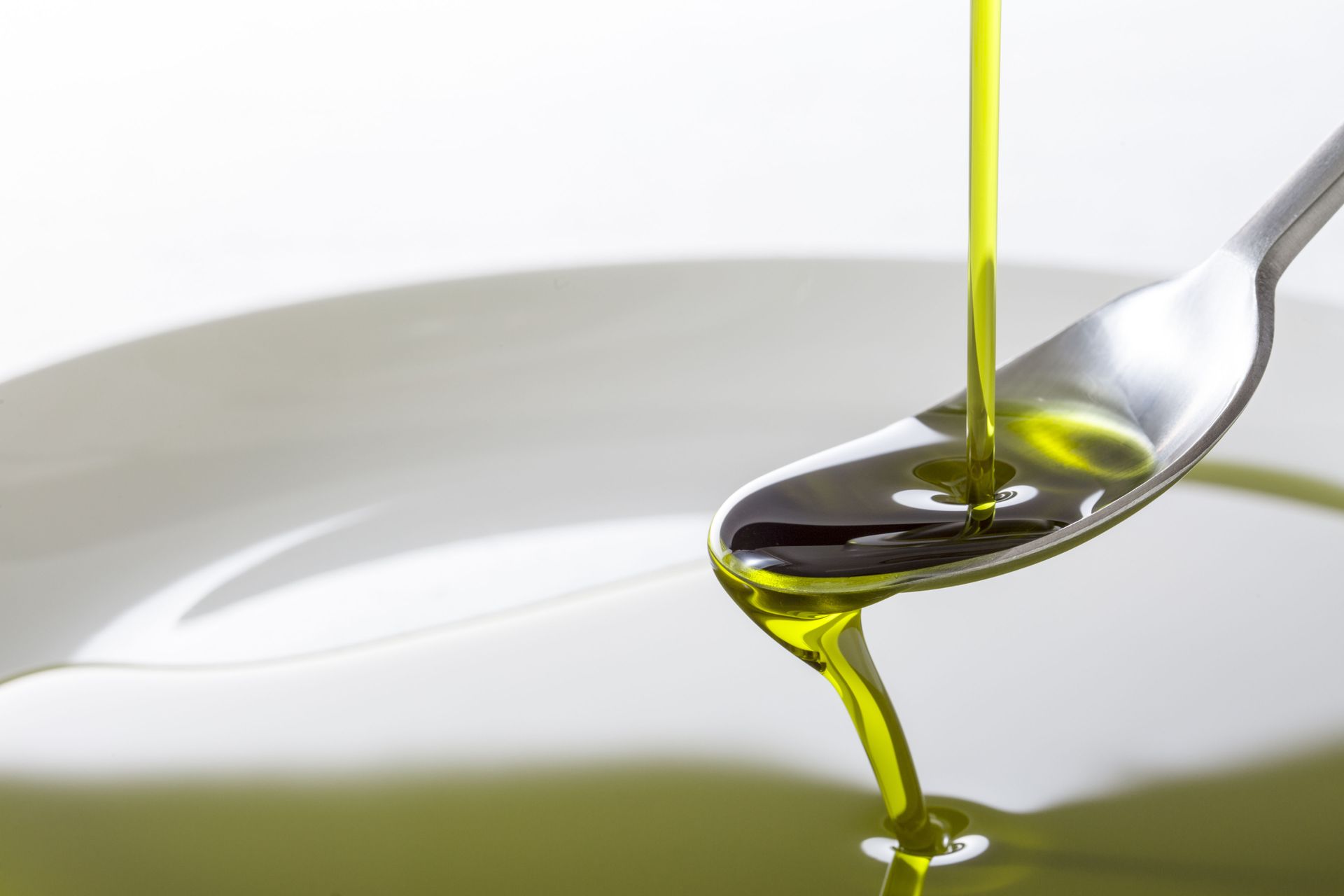
According to Purdue University, the average amount spent each week on canola oil is $8 million (12.9%), while corn oil accounts for $5 million (7.4%). Because cooking oils represent a meaningful expense within the food system, treating used oil as a recoverable material rather than ordinary trash can make practical sense. Cooking oil recycling may also help businesses streamline waste handling by separating oil from other refuse and arranging dedicated collection. The specific financial benefit will depend on volume, location, and service arrangements, but organized recovery can support more efficient operations.
Meeting Waste Handling Responsibilities
Commercial kitchens often need clear procedures for handling fats, oils, grease, and other food-related waste. Local regulations, property rules, sewer requirements, and service agreements may all influence how used cooking oil should be stored and removed. Businesses that lack a consistent process may face problems if containers leak, drains become clogged, or waste is placed in areas where it does not belong. Maintaining organized disposal practices can help reduce these risks.
Professional oil collection can make waste handling responsibilities easier to manage by creating a documented routine. A professional service can provide containers, pickup arrangements, and instructions for keeping used oil separate from other materials. Businesses should still understand the requirements that apply in their area, but working with an established recycler can simplify day-to-day handling. Having a reliable system in place also makes it easier for managers to train employees and monitor whether procedures are being followed correctly.
Building More Sustainable Business Practices
Sustainability efforts are often most effective when they are incorporated into normal business routines rather than treated as separate projects. Recycling cardboard, reducing food waste, conserving water, and improving energy efficiency are common examples. Used cooking oil can be handled in the same way. Once collection containers and pickup schedules are established, recovery can become a regular part of kitchen operations without requiring major changes to how food is prepared.
Businesses that use cooking oil recycling can also demonstrate that they are paying attention to what happens to materials after they have served their original purpose. While one recycling practice will not address every environmental concern, consistent resource recovery can contribute to broader waste reduction efforts. It may also encourage employees to take other disposal procedures more seriously. When sustainability becomes part of everyday operations, businesses can create habits that are easier to maintain over time and adjust as their needs change.
Used cooking oil should not be treated as an insignificant byproduct of food preparation. Proper collection can help protect plumbing and sewer systems, reduce environmental waste, support renewable fuel production, improve kitchen safety, control avoidable costs, simplify waste handling, and strengthen broader sustainability practices.
Cooking oil recycling gives restaurants, cafeterias, and other commercial food operations a structured way to manage used oil instead of allowing it to become a disposal problem. A reliable recovery process can make day-to-day operations cleaner and more organized while giving used material an opportunity to serve another purpose. For dependable help with used cooking oil collection and recycling, contact Core Biofuels.